
Your Child’s Teeth are Way Cooler than Yours
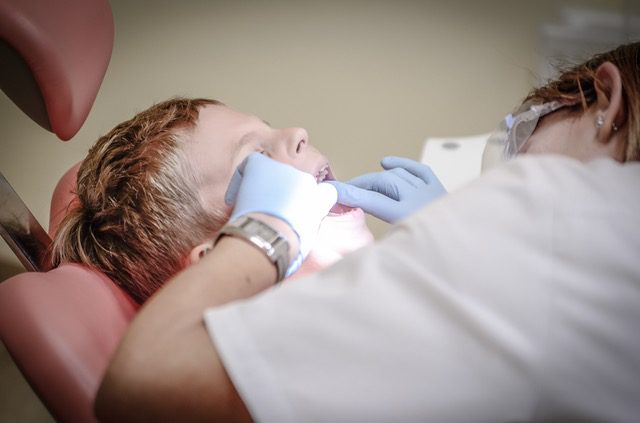
As parents, when we’re thinking about our children’s teeth, it’s most likely a list of eye-rolling and bothersome things. Is your baby teething? Bless you – that is an absolute nightmare. Does your 8-year-old love candy but hate brushing her teeth? That’s a fun nightly argument. Teen with braces won’t put in his rubber bands, not understanding that each month longer he has those things on his teeth, the more money it costs you? Oh, to be a child.
Okay, rant over. Initially, the point was to say, that while dealing with our kids’ teeth might be one of the less fun parts of raising a child, pediatric teeth and jaws are a really cool, constantly-changing, intricate series of parts and systems. Nothing like boring old adult teeth, that are all done forming, growing and moving around.
Pediatric dentists – dentists who specialize in teeth from babies all the way up until your kid has all her adult teeth – need a lot of specialized knowledge and skill that falls outside the realm of general dentistry. Now, that’s not to say that a family dental practice can’t take great care of your 3rd grader’s teeth. It just means that, just like your dentist might send you to a specialist for a root canal, your dentist might also send your kid to a pediatric dentist for any complications that may arise with their oral health.
So what does a Pediatric Dentist do?
Some family dentistry practices have dentists who have undergone the extra education and residencies required to become a pediatric dentist. That’s one of the great advantages of using a family dentist who does other things, like cosmetic dentistry, root canals, and pediatric dentistry. But what is pediatric dentistry? And why do we care so much about milk teeth? All they do is fall out in a few years.
A baby starts developing teeth between 6 months and 1 year of age. So, beginning a relationship with a pediatric dentist at this stage is ideal. Because, even though they’re just milk teeth, spotting any complications soon, such as a cleft palate, a misaligned jaw, missing teeth, or an inability to/delay in developing the adult teeth that come in later, can all be handled right off the bat. Because kids are constantly growing and changing, with any health issue, the earlier you can intervene, the better chance of total correction.
Pediatric dentists have to be a lot of things. They have to be a great babysitter – they need to be able to have a child lay in a chair under a bright light away from their parents and somehow make it fun. They have to be creative thinkers – you need different tools for smaller mouths, and some procedures you can perform on adults to fix an issue, you can’t on kids. They have to be a mentor – always asking children about their dental hygiene and discouraging bad habits like thumb sucking, which can cause overbites. And on top of all of that, they need to understand and be able to communicate with all types of children with special needs. It’s a lot. And that’s not even the medical part.
Ways that Family Dentistry Differs from Pediatric Dentistry
Pediatric dentistry and family dentistry definitely have a significant overlap. It’s just that not everything we do for adults is necessary for kids, and vice versa. For instance, because milk teeth aren’t meant to stand the test of time, and because kids are notoriously not good at proper dental hygiene, pediatric dentists often recommend dental sealants after dental cleanings. It’s a way to sort of… laminate the kid’s teeth. At the end of the day, the pediatric dentist is really just helping the parents out with this one. They’ll also commonly do this on a kid who’s just finished all his adult teeth coming in.
A big difference between pediatric dentistry and family dentistry is that among all the other roles that pediatric dentists have to fill, they also have to sort of tell the future. Each treatment they provide to a child has to take into account how they think the child’s mouth will develop – rate, structure, integrity of the bone, etc. The only future a family dentist dealing with a teen or a 46-year-old has to consider is at what rate this person’s teeth are going to start decaying or weakening. It’s a different mindset.
Simply put – pediatric dentistry is focused on prevention, and adult/family dentistry is focused on maintenance. One’s not worse or better than the other; they’re just different fields of dentistry. And if your kid has an accident at a soccer game or your infant has a defect in their lower sinuses, you’ll be awfully glad you had a pediatric dentist around to help.