
Why Tooth Decay and Gum Disease Increases the Risk of Diabetes
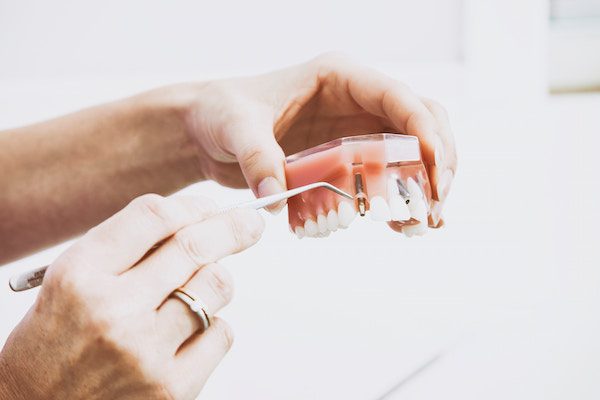
You may not have considered the connection between your teeth and metabolic health—but it does exist. More specifically, there’s a two-way relationship between poor oral health and diabetes. Not only can diabetes compromise your teeth and gums, but poor dental care can worsen diabetes or increase your risk of developing it.
People with diabetes face a number of oral health challenges, including gum disease. We first discuss the connection between gum disease and diabetes. We also provide steps you can take to protect your oral health if you have diabetes.
What Is Diabetes?
Diabetes, more formally called diabetes mellitus, is a chronic disease characterized by hyperglycemia, or high blood glucose (sugar). Sustained high blood sugar occurs when beta cells in the pancreas can’t produce enough insulin to regulate blood glucose or help cells use glucose for energy.
Diabetes is typically categorized as type 1 or type 2. Type 1 diabetes accounts for 5-10% of all diabetes cases. In type 1 diabetes, the immune system attacks the beta cells in the pancreas, causing it to produce little to no insulin.
More common than type 1 diabetes, type 2 diabetes occurs when the pancreas can produce insulin, but the body is resistant to it (insulin resistance) or cannot use it properly. Over time, this condition strains the pancreas and reduces its capacity to produce enough insulin.
Some people develop gestational diabetes during pregnancy, usually starting in the second trimester. This type of diabetes stems from placental hormones that increase insulin resistance and reduce insulin availability. Although most cases of gestational diabetes resolve sometime after birth, people who have had this condition have an elevated risk of type 2 diabetes later on.
Diabetes and Gum Disease
Diabetes limits the body’s ability to fight infection and heal, making the mouth more susceptible to gum (periodontal) disease. With gum disease, the gums become inflamed and sometimes infected, often due to poor dental hygiene. Diabetes can also reduce saliva production, creating a drier environment where cavity-causing bacteria can thrive.
Likewise, gum disease can increase diabetes risk because periodontal disease makes it harder to control blood sugar. Excess glucose in saliva allows harmful bacteria to multiply, leading to plaque buildup. As a result, the body’s ability to fight infection declines, causing inflammation, periodontal infection, and gum tissue deterioration.
What to Do If You Have Diabetes
If you have diabetes, you can take steps to improve your oral health and reduce your risk of gum and periodontal disease. You can also watch for these warning signs:
- Red and swollen gums
- Gums that bleed easily, especially during brushing and flossing
- Persistent bad breath or halitosis
- Receding gum line
- Loose teeth
- Tender gums
It pays to watch for these symptoms, many of which are painless at first. Even if you don’t have any discomfort, it’s best to see your Cincinnati dentist to treat gum disease before it progresses.
Whether or not you have diabetes, better blood sugar control can help combat gum disease. In turn, paying attention to your gum health can improve your blood glucose levels. Treating any gum disease can reduce chronic inflammation, thus improving how your body responds to insulin.
If you have periodontal disease, it’s wise to see a physician who can help you reduce your diabetes risk and monitor for early signs. Your doctor can also help you integrate your routine dental hygiene into your blood sugar or diabetes management.
If you are diabetic, see a dentist regularly. Ideally, that means every six months, or more often if your dentist recommends it. At Beckham Square Family Dental, we see many patients with diabetes, and we know how to check for signs of gum disease. Regular checkups and cleanings can also support good oral health and make it easier to manage your diabetes. We also see Cincinnati patients for emergency care, cosmetic issues, and restorative treatments.
Get in touch with us today if you have questions or need to schedule your next appointment. You can complete our online contact form or call our Cincinnati office at 513.489.7800.