
Wear Dentures? 6 Things You Need to Know About Denture Care
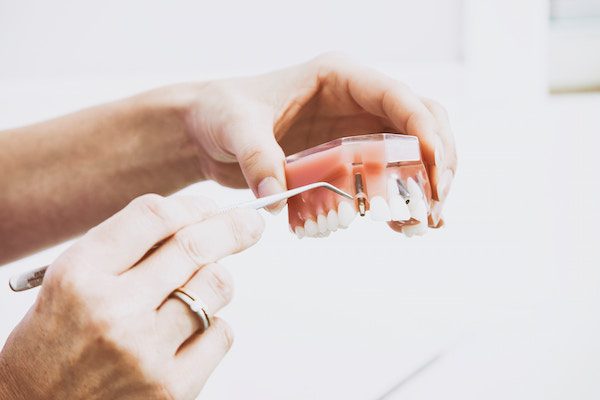
Dentures are a wonderful alternative to your natural teeth. You regain the ability to eat most foods. And you restore your smile with self-confidence. But it’s important to understand the special care that’s required to keep dentures looking good and to avoid damaging them. Here are 6 helpful things to understand in order to take the best care of dentures and maintain an active lifestyle. Consider these helpful tips from your family dentist.
Dentures Should Be Cleaned 2X per Day
Oral health continues to be crucial even if you wear dentures. Just as you would brush your teeth at least twice per day, be sure to clean dentures a couple of times per day minimum. This will minimize your risk of oral infections and inflamed gums. It also lessens your risk of further tooth decay so you can avoid losing more teeth.
It’s Important to Clean Dentures Properly
Proper cleaning can be just as important as frequent. The first step to denture dental care is to remove any food residue from your dentures. Brush them thoroughly with denture cleaning paste. Next, soak the dentures in a dissolvable denture cleaner. Don’t use hot water because this can cause your dentures to warp. After the dentures have soaked (ideally overnight) brush them again. Like brushing your teeth, gentle brushing is best. Brush thoroughly enough to remove all the bacteria, but gently enough so the dentures aren’t damaged.
Change Your Lifestyle to Avoid Staining Your Dentures
To avoid staining your dentures, limit your intake of coffee, tea, and red wine. Avoid smoking. But if you notice your dentures becoming discolored, we can help. Similar to teeth whitening and other cosmetic dentistry practices, a family dentist can professionally clean your dentures. Usually, most problematic stains can be completely removed.
Avoid Products that Could Damage Your Dentures
Some dentures have a soft lining that’s designed for people with especially sensitive gums. If yours does, be sure to buy a cleaner that specifically states that it will not damage this lining. Some dentures are made of metal and will need a cleaner specifically designed to clean metal. Ask one of our dentists at our Cincinnati office for advice. He or she can recommend the right type and brand designed for your specific set of dentures.
Never Sleep in Your Dentures
It’s important to always take your dentures out at night. Sleeping in your dentures can cause gum inflammation and even lead to a yeast infection known as denture stomatitis — a form of oral thrush.
When you sleep, soak your dentures in a room temperature suitable cleaner to avoid warping or cracking. As mentioned earlier, hot solutions can cause permanent damage to your dentures.
Consult with Your Dentist about Your Denture Health
Caring for your dentures is just as important as any other form of dental care. Talk to your dentist about any questions or concerns you may have. We’re here to help. Like your natural teeth, it’s important to have your dentures looked at by a dentist during a regular checkup. We can professionally clean your dentures to remove tartar buildup. This ensures they fit properly so you don’t develop painful sores overtime.
Keep in mind that regular checkups with your family dentist continue to be important, even if you don’t have any teeth. We can ensure your dentures are in good shape. And we can inspect your mouth for signs of oral mouth disease such as cancer or gum disease.
Get Your Dentures Checked by a Dentist
Keep in mind your mouth will change. The gum ridges in your mouth will shrink. Your jawbone will also shift. This can result in ill fitting dentures, which can lead to ulcers and perhaps even further tooth loss.
That’s why we recommend having your dentures checked by a dentist regularly — just as you would your natural teeth. We can make adjustments to ensure your dentures are fitting properly. We can also recommend when it’s time to get new dentures.
Dentures are Common — Even for Young People
Dentures can be a difficult lifestyle change to accept, especially if you are not yet of retirement age. But they are more common than most people realize. Nearly 1 in 5 adults over the age of 65 has lost all their teeth (that number doubles after age 75).
Even young people can experience tooth loss. About 9 out of 10 people have suffered tooth decay — and nearly a quarter of that goes untreated. If tooth decay is left unchecked it can easily lead to tooth loss. Untreated gum disease can also lead to tooth loss.
If you have any concerns, talk to your family dentist about the best way to care for your teeth to avoid tooth loss. Proactive care is the best approach, but it’s never to too late to begin for a better outcome.