
Need a Tooth Extracted? What to Expect
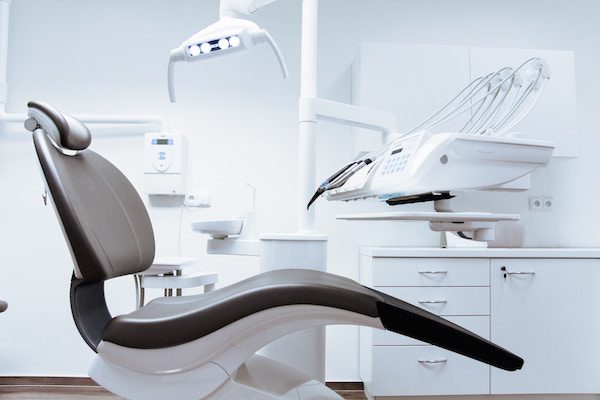
At Beckham Square Family Dental, we treat various dental conditions every day. Our first priority when treating any dental problem is to save as much of the tooth as possible, including cases of decayed teeth or receding gums. If we can crown a molar or repair a chipped tooth with bonding or veneers, we will. We consider tooth extraction a last resort, but sometimes it’s necessary.
Reasons to Have a Tooth Taken Out
Not all tooth extractions are warranted due to irreparable damage to the mouth. Reasons for removing a tooth include:
- Excessive decay
- An infected tooth or gums
- Tooth chipped or broken above the gum line that can’t be restored
- Crowding (too many teeth, usually corrected orthodontically)
- Wisdom teeth extractions
- Compromised immune systems that pose infection risks to patients
Whatever your reason for a tooth extraction, relax! Tooth removal is a common, straightforward procedure, and you’re in good hands. Many patients come into our office worried about the procedure, but are surprised at how comfortable and quick it is, thanks to our gentle approaches and modern dentistry.
Removing a visible tooth is relatively simple because your dentist can see enough of the tooth to grasp it. But if a tooth is broken below the gums or still below the surface of your jawbone (as is often the case with impacted wisdom teeth), the process can be more complicated and may require oral surgery. The term “oral surgery” might seem daunting, but in the case of tooth extractions, it’s really not.
Here’s what to expect from a tooth extraction:
Preparing for a Tooth Extraction
It’s natural to feel nervous before a tooth extraction. However, at Beckham Square Family Dental, we work to make the process worry-free and keep you as comfortable as possible. We can complete most non-surgical tooth extractions quickly at our dental office in Cincinnati. If you require a more extensive procedure, we’ll recommend a qualified oral surgeon who practices the same gentle dentistry that we do.
When you know you need a tooth removed, it’s important to prepare properly for the extraction. Depending on the extent and type of extraction, you might need a friend or family member to drive you to your appointment. This is especially the case if you go to a dentist who provides sedation and you feel woozy afterward or don’t feel well afterward.
Before your appointment with us, we invite you to discuss pain-relief options for recovery after your tooth extraction. We may recommend extra-strength Tylenol depending on your medical history, to help you feel comfortable and pain-free after the procedure. We might also prescribe antibiotics to reduce the risk of post-procedure infection.
Additionally, you need to disclose all medications and conditions that might affect the type of sedation dentistry that’s right for your procedure and for proper healing. Some medical conditions require special care during and after a tooth extraction. Tell your dentist if you have any of the following:
- A congenital heart defect
- Diabetes
- Liver disease
- Thyroid disease
- Renal disease
- Hypertension
- An artificial joint
- Damaged heart valves
- Adrenal disease
- An impaired immune system
- A history of bacterial endocarditis
You’ll need to be careful about what you eat after a tooth extraction. We recommend soft foods such as pudding, rice, or soup. Stock up on these foods ahead of time so you can eat with minimal hassle or preparation. That’s because you may feel under the weather.
Also, plan to take the day off after a tooth extraction. You’ll need to rest. Prep your Netflix queue. Keep a good book nearby, whether by the bed or couch. Give yourself time to recover.
The Process for a Simple Tooth Extraction (Visible Teeth)
Your dentist will give you a local anesthetic to numb the area around your tooth so you don’t feel uncomfortable. You’ll feel only pressure, and there’ll be no pain throughout the procedure. We’ll use a special instrument called an elevator to loosen the tooth and then remove it with forceps. We’ll place protective material in the socket, provide some aftercare instructions (which we’ll share below), and send you on your way!
The Process for a Surgical Extraction (Concealed Teeth)
Your dentist will give you local anesthesia, and perhaps intravenous anesthesia, to help you feel comfortable and relaxed. They may also decide to use general anesthesia so that you’re not conscious during the procedure. That decision will depend on your preferences and the invasiveness of the tooth extraction procedure. For instance, removing slightly-erupted wisdom teeth without fully formed roots is a completely different, less involved process than removing impacted, fully rooted teeth.
The dentist will make a small incision in your gum. They may need to remove a bit of bone around the tooth or section the tooth to fully extract it. These extractions require a bit more aftercare and carry a higher risk of complications than more routine removals.
Risks Following a Tooth Extraction
There are a few minor risks to be aware of after a tooth extraction. A small clot should form in the socket of the extracted tooth. If it doesn’t form or becomes dislodged, the socket is exposed — a condition known as a “dry socket.” If this happens, your dentist will place a sedative dressing over the socket for a few days to allow a new clot to form.
Proper healing of a tooth extraction site depends on the formation of a clot. For the first few days after the procedure, don’t use straws, eat hard foods, or do anything strenuous. Dislodging the clot can complicate or hinder healing.
If you experience any adverse effects after your tooth extraction (other than a bit of initial bleeding, pain, or swelling), call your dentist. However, seek urgent medical care if you experience any of the following symptoms:
- Intense chills or fever
- Chest pain
- Swelling
- Cough
- Nausea or vomiting
- Bleeding longer than a few hours
Options for Tooth Replacement
At Beckham Square Family Dental, we recommend dental implants to patients who’ve had teeth extracted. Other, less expensive options for tooth replacement include bridges, dentures, and implant-supported bridges, but dental implants are the best option for preserving jawbone integrity.