
Everything You Need to Know About Receding Gums
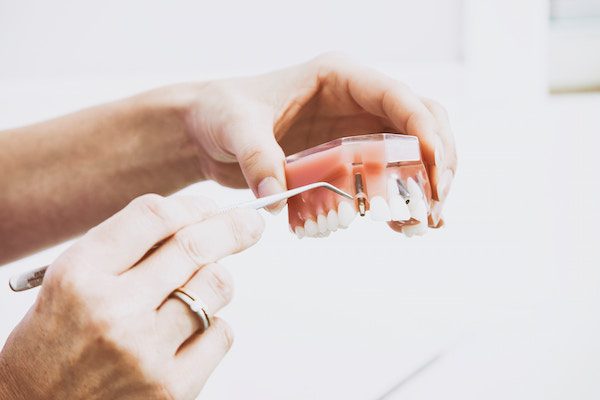
Gum recession is a common problem family dentists and cosmetic dentists deal with all the time. Gums are a tricky type of tissue; they need to be stimulated to stay strong, but they’re very susceptible to damage from things as simple as brushing too hard.
Gum recession is defined as when the margin of gums that cover your teeth start to shrink and pull back. As the gums pull back from the tooth, more of the tooth, and eventually its root, becomes exposed. Receding gums have an adverse impact on your looks, but they’re also a real risk to your health.
Causes of Shrinking Gums
So, what causes gum recession? Quite a few things, as it turns out:
Overbrushing/brushing too hard
Your dentist has likely told you during your 6-month cleanings that the way you brush your teeth is important to stimulating your gum tissues so they stay strong and attached to the teeth. We advise brushing in small circles around the surface of each tooth. If you brush too much, straight up and down, and/or too aggressively, you can cause symptoms of gum recession. Yes, there’s such a thing as too much dental care.
Poor/neglected dental care
It follows, then, that neglecting your teeth is also a bad plan. Not brushing and flossing encourages your gum tissue to atrophy and shrink, but it also lets plaque and tartar build up around your gum line, which causes gingivitis and, if left alone, gum disease.
Gingivitis/periodontal disease
Gum disease begins as gingivitis, which is where the plaque and tartar buildup at your gum line causes a mild but chronic infection. Over time, as it progresses, it causes your gums to pull away from the teeth and receded, even to the point of exposing the root.
Biological conditions
Hormonal changes and genetic factors are thought to play a role in how likely someone is to develop receding gums.
Smoking
Tobacco consumption of any kind is gross. It’s also bad for your teeth, gums, bones, skin, and a bunch of vital organs. While gum recession is probably the least of your health worries when it comes to tobacco, it is still something to think about. Gum recession will eventually lead to tooth loss, and opens your jaw bone up to cancer risks and degradation.
Diabetes
One symptom of Diabetes is that it changes your blood vessels, making them less efficient at distributing nutrients as well as at flushing away waste. This leaves your boney and soft tissues weaker, and gums are one of those soft tissues.
Medications
Some maintenance medications, such as for COPD or heart conditions, can cause dry mouth. Dry mouth is associated with tooth decay and gum disease.
Autoimmune conditions
If you have an autoimmune disorder like HIV/AIDS, Lupus or Rheumatoid Arthritis, your immune system treats your body like an enemy. This leads to a very weak immune system and poor physical health, all of which leave teeth and gums very susceptible to decay and damage.
Symptoms of Gum Recession
Most people don’t even know their gums are receding until their dentist’s trained eye notices the warning signs. Because it’s something that happens gradually, receding gums can seem not a big deal. But if you don’t do anything to treat them, they will be.
Common symptoms of gum recession are:
- Tooth sensitivity
- Bleeding or swollen gums after brushing/flossing
- Painful gums, especially at the gum line
- Exposed tooth roots
- Halitosis
- Loose & lost teeth (in advanced stages)
If you’ve noticed any of these symptoms, or feel like your gums look shorter than they used to/should, it’s best to get a dental exam and cleaning right away to begin to stop the gum recession and even (hopefully) restore your lost gums.
How to Restore the Health of Your Gums
Is there any way to reverse gum recession? What about severe cases where there’s just not enough gum tissue to live with healthily? Good news – there are several things you and your general or cosmetic dentist can do to fix your gums and, in turn, your smile!
At-home dental care for receding gums:
- Quit smoking
- Eat healthy
- Keep up on brushing and flossing
- Use antibiotic oral gels
- Use an antiseptic mouth wash
- Go see your dentist regularly
How your dentist can treat your receding gums:
- Root planning/tooth scaling
- Gum grafts
- Flap surgery
- Tooth veneers
- Orthodontic procedures
Unfortunately, you can’t actually reverse gum recession, which is why advanced cases require soft tissue and sometimes bone grafting. But if you catch it early on and learn to care for your gums the right way, you can stop the recession and restore your gums to good health.