
COVID-19 is Hurting Our Teeth
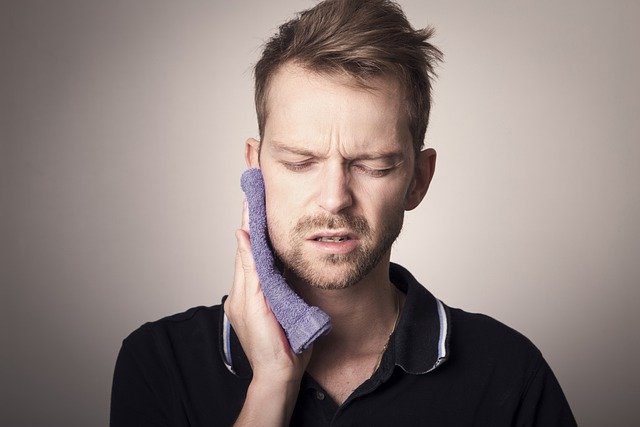
It’s been over two years since the COVID pandemic began; and we are tired. Coinciding with the most contentious and long-winded election in the country’s history, we’re not only exhausted – we’re stressed out. It’s well-known that one common unconscious behavior associated with chronic stress is jaw-clenching and teeth grinding (also known as bruxism). And dentists all over the world – not just in America, have noticed a significant uptick in dental problems since the pandemic began.
Combined with that 8 months or more that none of us could even go to the dentist, it appears COVID has caused a series of health-related ripples that reach far beyond the symptoms of actually contracting the virus.
The Complications of Chronic Stress & Mouth Health
The most direct and noticeable effect COVID has had on dental practices, according to dentists themselves, is an uptick in bruxism. But that doesn’t mean that bruxism is the only issue we’re seeing more of, because chronic teeth grinding causes other issues. Subsequently, dentists are also seeing more patients with:
- TMJ
- Cracked Tooth Syndrome
- Broken teeth
- Worn-down molars
- Tooth and face pain
What has this meant for a dentist’s daily life at their practice? More broken tooth extractions, more cracked and broken filing repair, more dental bonding and tooth veneers, more implant crowns, and more emergency dental appointments. It turns out chronic stress can overcome even the best at-home and in-office dental care.
Reducing & Preventing “Pandemic Bruxism”
Because the main cause behind chronic teeth grinding is stress, finding ways to reduce your stress will naturally help you to reduce the stress on your jaw. Besides using a mouth guard to protect your bite, other things you can try include:
- Seeing your dentist for a thorough exam to identify any early signs of tooth wear or cracking
- Practicing mindfulness, relaxation and mindfulness techniques
- Using a smartphone app during waking hours that reminds you to unclench your jaw
- Determine if any medications you are taking encourage tooth-breakage or jaw-clenching
- See a counselor to work through issues and learn ways to calm yourself
- Cognitive behavioral therapy can help you retrain your stress responses
- Biofeedback can help you realize when you’re clenching or grinding so you can stop it in the moment
- Botox injections in your jaw relax the muscles for weeks at a time
Self-care is the solution to stress-induced bruxism, and that includes all the above practices you can do yourself, but it also includes keeping those regular medical and dental appointments. The better your physical health is, the more your mental health can follow. The pandemic isn’t going to last forever, but learning proper self-care and stress management techniques can have positive effects that last a lifetime.