
Brushing Your Teeth: It’s All in How You Do It
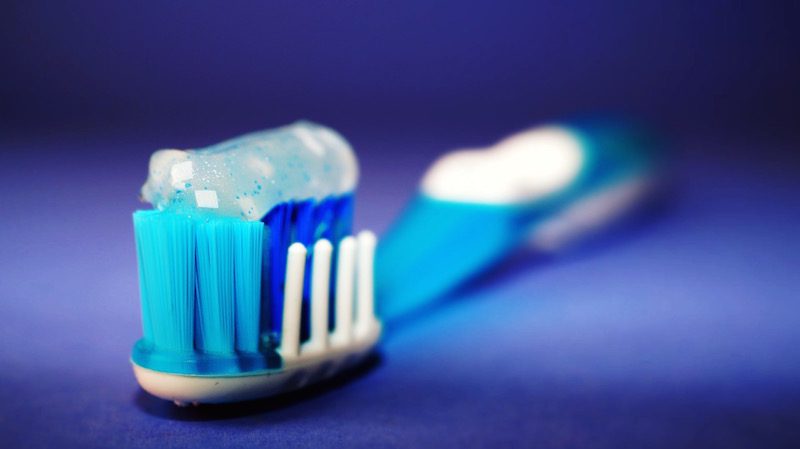
Believe it or not, there’s a right way, and several wrong ways, to brush your teeth. There is such a thing as brushing your teeth badly, and it can completely negate all the health benefits brushing your teeth is supposed to have. Dentists agree best practices for brushing your teeth are:
- Using a soft-bristle brush
- Brushing gently – the bristles should never be smashed against your teeth or gums
- Brushing at a 45-degree angle to the gums
- Slow down
- Circular, tooth-wide strokes
Brushing with these things in mind – and remembering to floss! – will keep your teeth and gums strong and healthy. But what are the bad brushing habits that can ruin all your good intentions?
Common Mistakes People Make with Brushing their Teeth
Overbrushing
Too much of a good thing becomes a bad thing. Most dentists agree you should brush your teeth twice a day. And you might be thinking, Well, wouldn’t it be even better if I brushed after meals as well? But the answer to that question would be no. Brushing after eating, for too long and too often actually causes enamel damage and can also damage your gums, causing them to recede.
Brushing too Hard
Same concept. But isn’t it better to be aggressive about your oral health? Nope. Smashing your brush bristles into your teeth and gums will cause them to bleed, your gums to recede, and you’ll likely damage your enamel, causing tooth sensitivity.
Flossing Every Day
Even the best toothbrush doesn’t get in the cracks between your teeth. You can still get plaque and tartar buildup on the teeth and at your gum line if you don’t floss, which can cause tooth decay and gum disease.
Underbrushing
If you skip days or only do a cursory brushing each night, you’re leaving your teeth susceptible to bacteria buildup, tooth decay, and gum recession/gingivitis.
Using the Wrong Tools
If you use a medium or hard-bristled toothbrush, you can cause the same damage as you would by brushing too hard. As well, use a gentle toothpaste without baking soda; baking soda can be abrasive, damage enamel and cause tooth sensitivity.
Proper at-home dental care is easy to do, but you’ve got to make sure you know how to do it right. Next time you go in for a dental cleaning, ask your dentist for tips on how to optimize the way you brush and floss. They’ll give you insight on how to keep your smile healthy and bright between 6-month checkups.