
A Guide to Wisdom Teeth: What They Are & Why We Recommend Removal
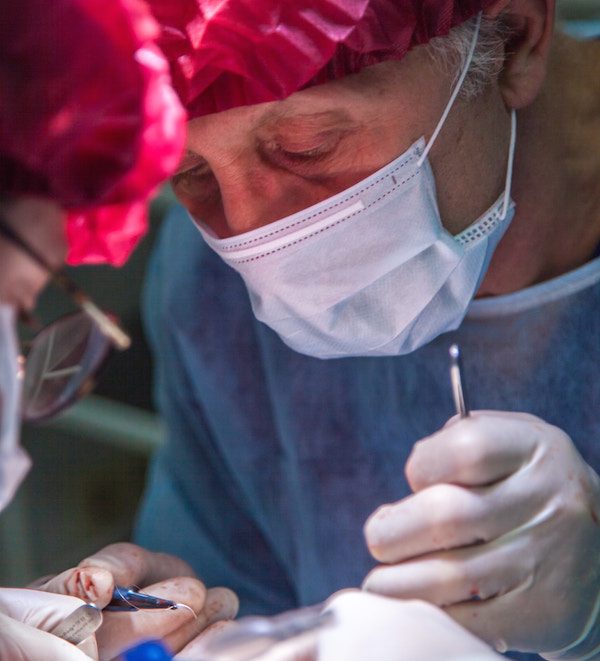
Wisdom teeth are the third set of molars most people develop between the ages of 17 and 21. Some lucky people never develop them. Others develop wisdom teeth but don’t experience many problems. It’s never too late to remove them, and there are usually benefits to doing so. But what exactly are wisdom teeth? Why do we have them? Why do most family dentists recommend having them surgically removed?
What Are Wisdom Teeth?
Your smile has many types of teeth that can be categorized according to placement and function. Some are sharp — designed for tearing apart foods like meats. Others are flat — designed for grinding fibrous foods to a pulp. Wisdom teeth are the backmost molars that come in about around adulthood. They’re flat, and meant for chewing rather than biting. Located on the back of your mouth, molars are located in 2 sets at the top and bottom on both sides of your mouth (one in each back corner of your bite).
Wisdom teeth tend to be the last set of adult teeth to come in — hence the name. You are theoretically “wiser.” The funny thing is that in most industrialized countries, people’s mouths no longer have room for these teeth, so they’re actually a problem. Unless you’re one of the few people who never develops them or whose mouth does have room for them, you’re getting a wisdom tooth extraction at some point. Wisdom teeth typically start to come in just fine, but if left to fully erupt can move your whole bite out of balance. Or, they can fail to erupt and become impacted, which makes for a more complicated, but all the more necessary, wisdom tooth extraction process.
Food Got Soft, Our Jaws Got Smaller
So why do we have wisdom teeth at all if they cause all these complications? Because human evolution is so much slower than human development. Before industrialization, where you have mass-produced foods and processed foods, the human jaw started working hard pretty much the minute a child was weaned. But with the abundance of soft foods available to small children now, their jaws go through a lot less work (and wear and tear) than they used to. The jaw doesn’t grow to as big a size, because it doesn’t need to. It follows, then, that over generations, people’s jaws just became smaller. We got overbites. “Crowded mouths.” And no room for wisdom teeth! Looking at the global population, we can see industrialization is the culprit, as about 60% of the world still doesn’t need wisdom tooth extractions.
Why Should Wisdom Teeth Be Removed?
Most people’s jaws stop growing when they are 18. Most people’s wisdom teeth come in around 19.5 years, but it can vary. There usually isn’t enough room — and this can cause problems. They can cause your other teeth to be crowded, even grow crooked. This can result in jaw pain and increase your risk for tooth decay. Cysts can develop under the gums, as well as tumors. Wisdom tooth extractions are (ideally) done as a preventative measure; your family dentist will spot them on your yearly x-rays long before they pose a risk to the rest of your mouth. That’s another reason getting regular dental cleanings, x-rays and other dental care from a trusted family dentist near you is so important for your oral health. If you don’t see a dentist regularly, you may end up with unnecessary complications to your wisdom tooth extraction.
That’s why we take a look at our teenage Cincinnati patients, take x-rays and do a diagnosis. It’s usually best to have the teeth removed when people are young — before roots and bone have fully formed. If wisdom teeth are removed before they are fully grown in, healing and recovery are much easier.
It’s Never Too Late for a Wisdom Tooth Extraction
And while it’s best to have your wisdom teeth removed while they are still developing, it’s never too late. The surgery can be more invasive and healing can be more difficult, but removing wisdom teeth at any age can reduce your risk for cavities, overcrowding, and other oral health problems. Talk to your family dentist about whether you need a wisdom tooth extraction and what they’d recommend.