
Your Guide to Interdental Cleaners: Maximizing Your Home Oral Health
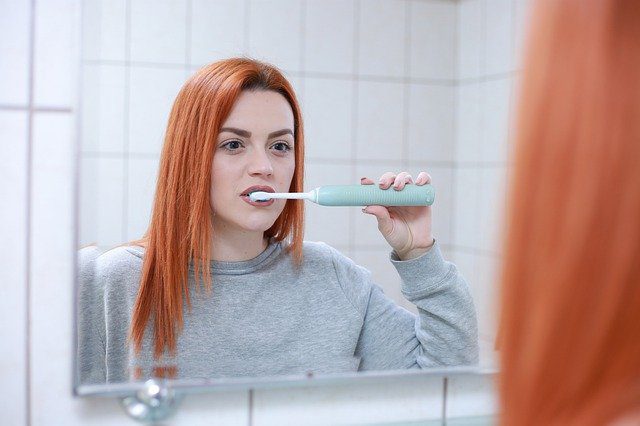
If you brush at least twice daily and even use mouthwash, you’re taking necessary steps to protect your oral health. However, brushing alone won’t remove all the plaque that accumulates on your teeth, especially in those hard-to-reach spots. In fact, brushing isn’t enough to thoroughly clean between your teeth. You also need interdental cleaning to remove plaque and food particles that gather in crevices.
To complete your dental hygiene routine, ask your dentist about interdental products such as dental floss, water flossers, interdental brushes, or wooden interdental aids to supplement brushing and ensure a thorough clean. None of these products can completely replace brushing. However, when added to your daily oral care, they can help you better fight gum disease and prevent tooth decay and other dental issues.
Here are four interdental products to consider:
Dental Floss
Regarding interdental products, floss is the top choice for many patients. Additionally, the Cincinnati-based family dental professionals at Beckham Square Family Dental will tell you that floss is an essential part of your daily oral hygiene routine. You can find floss that’s waxed, unwaxed, or flavored, all of which effectively remove debris and plaque between teeth. If you have difficulty using the string with your hands, you can try floss holders or floss picks, which are available at most drug stores.
Water Flossers
Water flossers, also known as water picks or water jets, have been around for over 50 years. Depending on the model, you can use either steady or pulsing water jets to get between teeth. Available as countertop or handheld devices, water flossers are great for flushing out plaque and food particles, with many models offering adjustable water pressure. Water flossers also help remove debris from gum pockets and below the gum line.
Using a water flosser should not serve as a substitute for traditional flossing, but this product is effective at diluting the acids that stem from plaque. If you have dental implants, a water flosser is often gentler on soft gum tissue than floss.
Interdental Brushes
Interdental brushes are also known as interproximal brushes and proxabrushes. These tools can clean between teeth, along the gum line, and around dental appliances like braces. They are usually 2-3 inches long, with a plastic handle and a metal core equipped with soft nylon bristles. The handle resembles that of a regular toothbrush, making it easy for most people to use. The brush is shaped like a conical pipe cleaner, which helps it reach the smallest gaps.
Effective at reducing plaque and gingivitis, interdental brushes come in various sizes, widths, and shapes to accommodate different mouths. You can also use them to apply desensitizing or antibacterial ointments to hard-to-reach places.
Wooden Interdental Aids
If you frequently use toothpicks, then you might prefer woodsticks, which are similar in shape and typically composed of basswood. Woodsticks are tapered at the ends, making them easy to handle and clean between the teeth. People with fixed bridges, crowns, or wide interdental spaces may find these products effective and easy to use.
Boost Your Oral Health with the Right Cleaning Tools
Adding an interdental cleaning product to your brushing and flossing routine will benefit you at your next dental checkup, especially if you’re at a higher risk for periodontal disease. If you’re unsure which product is best for you, feel free to discuss it with us at Beckham Square Family Dental during your next routine checkup. We can answer your questions about interdental device use and other strategies to help improve your oral health.