
6 Common Root Canal Myths Debunked: What You Need to Know
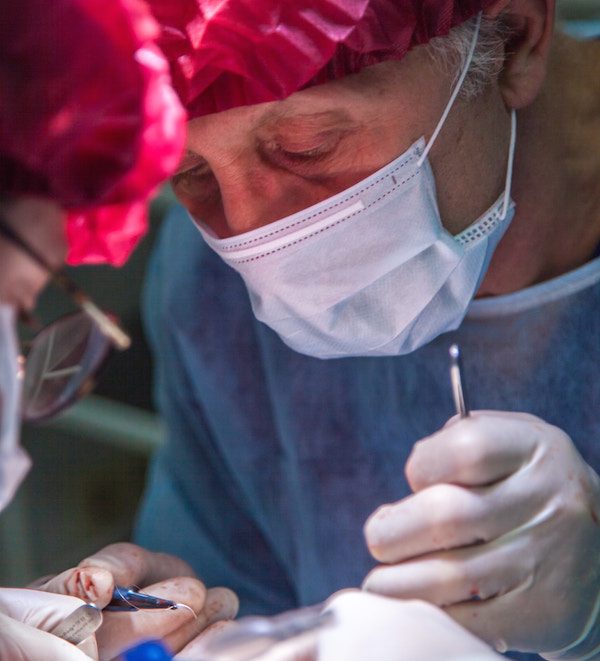
Root canals get a bad rap. Many people regard them among the most painful of dental procedures. And while you may experience some discomfort a day or two after the appointment, during the actual root canal itself you shouldn’t feel a thing. The pain treatments we can offer are much more advanced so you can be relaxed and pain free throughout the procedure.
The truth is there are many myths about root canals that unfortunately make people put off a dental treatment they need. Here are 6 root canal myths debunked. Here’s the truth behind each of these root canal fairy tales, and what you need to understand about root canals when it comes to family dental health.
Myth #1: Root Canals are Super Painful
Root canals have a bad reputation for pain because of outdated practices. But just like you don’t expect us to use leeches anymore, don’t expect a painful root canal. Science and technology has come a long way. At our Cincinnati family dental practice, we use the latest advances in numbing techniques and pain management so you don’t feel a thing. Other than an initial pinch as we apply the numbing agent, there’s very little discomfort.
What a root canal will hurt is your pocketbook. Depending on how complicated the procedure is, root canals can range anywhere from $600 to $1,000. Sometimes you may even need to see a root canal specialist, which tends to cost more. Even with insurance, it can be a difficult expense to absorb. Talk to your Cincinnati dentist. We feature a number of payment options to better accommodate your budget.
Myth #2: Root Canals Cause Cancer & Other Illnesses
Much like the myth that vaccines cause autism, the myth that root canals cause cancer is based on faulty science. Much of this comes from flawed research by Dr. Weston Price from 1910 to 1930 — over 100 years ago. Dr. Price alleged that root canals could heart disease, kidney disease or arthritis. His studies were conducted in poorly controlled non sterile environments. Most telling, other studies have not been able to replicate his results.
There is no peer-controlled study that shows a link between root canals and any other type of illness. On the contrary, root canals can prevent infection, since the whole idea of a root canal is to remove the root nerve of a tooth because it has become infected.
Myth #3: It’s better to just Extract the Entire Tooth Altogether
Any Cincinnati dentist worth his or her medical diploma will tell you that saving the tooth is always the preferred option. There simply is no artificial replacement that can be as good as the original tooth. In some cases, replacing the tooth with a bridge or crown may be best for a range of issues, but there can always be complications with neighboring teeth and supportive tissue. Tooth removal can result in later jaw pain, biting problems, or tooth drifting.
Essentially, a root canal is like getting a splint or cast for a broken bone. Tooth extraction is like amputation. Sometimes it’s necessary, but only in worst case scenarios.
Myth #4: If Your Teeth Don’t Hurt, You Don’t Need a Root Canal
Even if you feel no pain, you may still need a root canal. The fact is the tooth may already be dead but still needs to have the nerve removed to prevent later infection. In some cases, a tooth might have a fistula — a “pimple” on a tooth that drains pus from an infected tooth but isn’t painful.
Leave it to your Cincinnati dentist to make the decision on whether a root canal is necessary to your dental health. If you don’t feel pain, that’s great — the more comfortable you are, the better. But it’s your dental health that is the most important, and you may require a root canal to prevent infection.
Myth #5: Root Canals Require Several Appointments
Most root canals can be completed in a one to two appointments. It depends on the extent of the infection, the difficulty of the area, and whether a root canal specialist otherwise known as an endodontist is needed.
Myth #6: Root Canals Don’t Last Very Long
Many people incorrectly think a root canal doesn’t necessary last very long after the completion of the procedure. This usually happens when a tooth breaks following a successful root canal.
But the reality is the restoration of the tooth failed, not the root canal. A root canal removes the nerve from the tooth, which can cause the tooth to become brittle. Depending on the size of the filling, the natural processes of eating can wind down the weakened tooth. What you need is a crown in place of the filling. Failing to get a crown can sometimes result in the failure of the tooth.